From opening for Jefferson Airplane to leading Kansas City, the Honorable Sly James discusses the “Pretzel Logic” of a life well-lived
The Rhythm of Leadership: A Conversation with Sly James

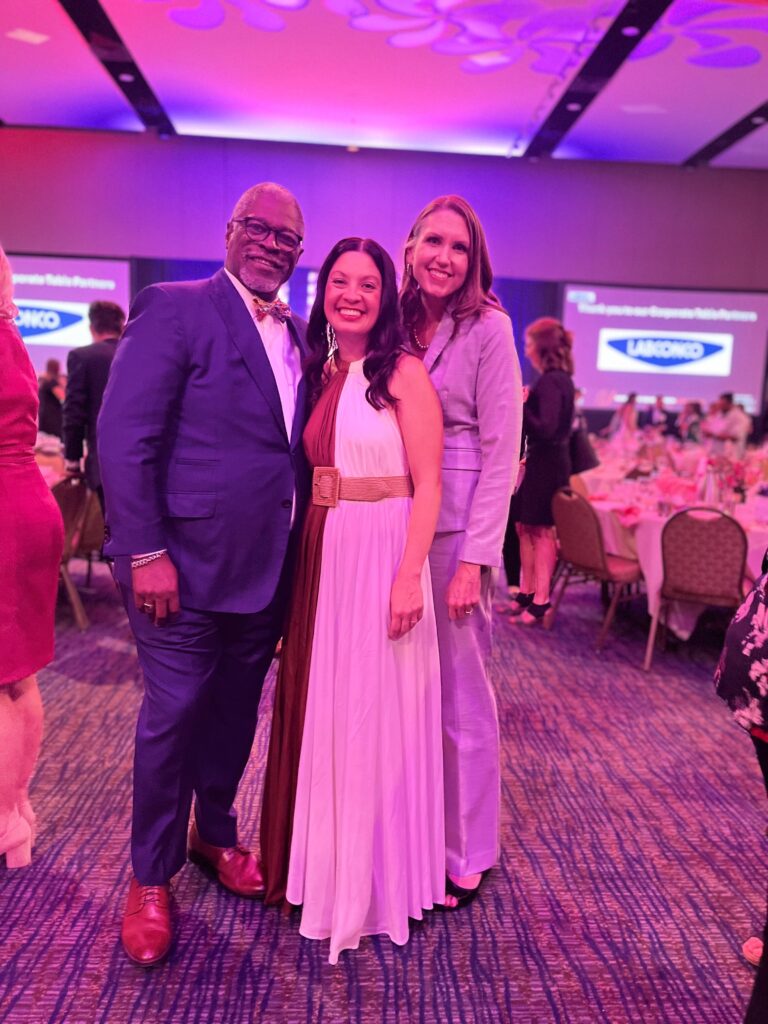
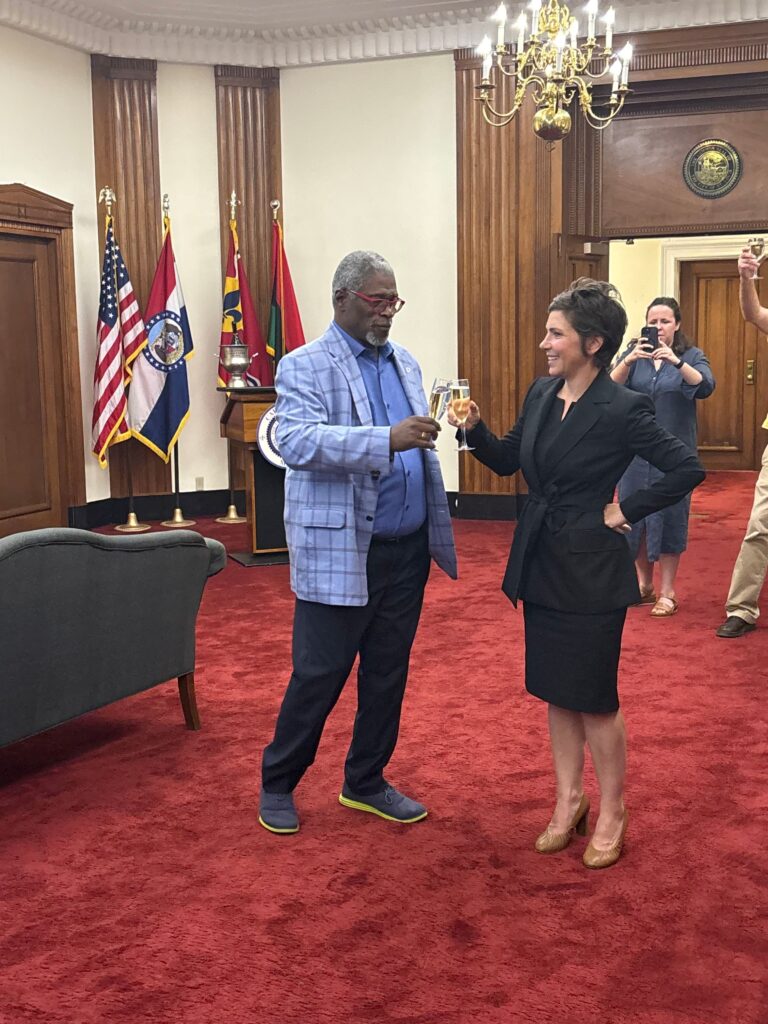
Behind every prominent leader is a series of defining moments, some as loud as a rock concert, others as quiet as working late at the firm. I had the honor of virtually meeting with and learning more about former Kansas City Mayor, Sly James, one of our strategic partners, where he shared the stories that shaped his journey from a self-reliant student to a transformational civic leader. What emerges is a chorale in authenticity, resilience, and the “pretzel logic” of life.
The Audition That Changed Everything
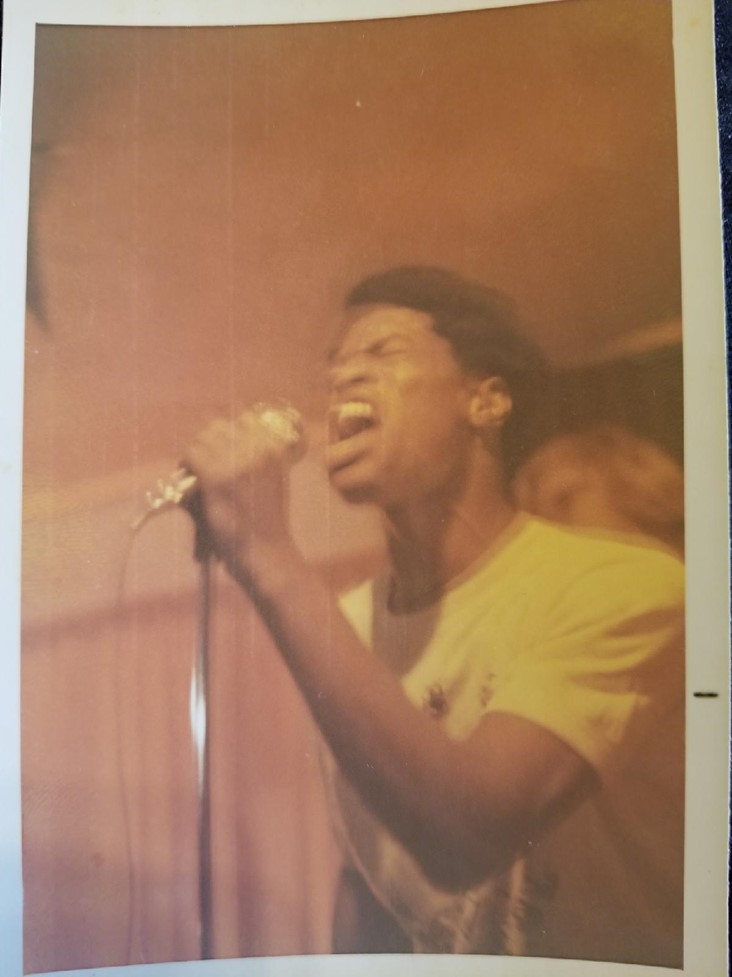
In the 1960s, a young and headstrong Sly faced a choice that would define his independent spirit. His father made plans for the family to attend a Chiefs game, but a rare opportunity presented itself: an audition for his band to open for the legendary Jefferson Airplane.
After Sly’s father told him he couldn’t audition and needed to go to the football game, he had to take control of his own destiny. “I made a choice,” James recalls. He jumped the back fence with his sweatshirt and books, choosing the stage over the stadium. With the band being selected at the audition, Sly’s decision to leave home led to a junior and senior year of high school funded entirely by music, living a nomadic life that taught him a vital and difficult lesson: the necessity of self-reliance.
Building a “Psychological Bridge”
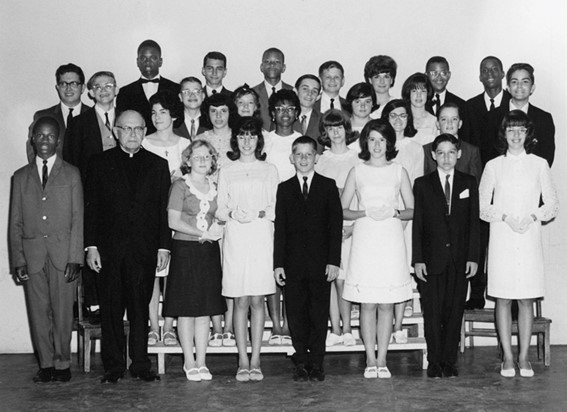
Living in Kansas City meant navigating deep divides. Growing up in a Black neighborhood in KCK until age 9, then KCMO, to become the only Black male student in a school of 600 at Bishop Hogan High School (now Hogan Preparatory Academy) required Sly to cross a “psychological, cultural bridge” every single day.
This experience made him adaptable, and it taught him how to exist in different environments without losing himself. “It taught me a lot about people,” he says, noting that he learned early on that good and bad people exist on every side of a divide. This ability to find common ground would later become the hallmark of his political career.
Law, “Pretzel Logic,” and the Pursuit of Justice
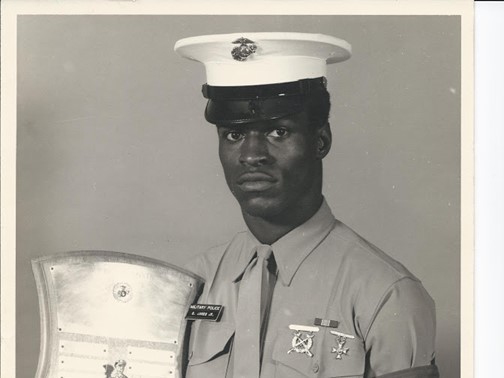
After a stint in the Marine Corps, following the footsteps of his father, Sly pursued his calling in the law, which he knew early on he would gravitate to. As the first Black partner – and Black person in general – at his firm, he navigated a profession he describes through the Steely Dan song and metaphor of “Pretzel Logic,” a world where things get twisted, sometimes logically and sometimes not. “I got to do things that my peers weren’t even coming close to doing by happenstance, to some extent,” James said.
One of his most memorable cases involved treating a criminal case with the meticulous detail usually reserved for high-stakes civil litigation. He secured a release for his client on appeal. It was an early exercise in “service leadership” – doing the hard work for those who have the least.
The 4E Agenda: A Mayor’s Vision
Sly’s transition to City Hall was born from a simple personal rule: “If you complain, you either have to do something, or you need to stop complaining.” He couldn’t stop complaining about the state of the city under the administration before his term, so he ran on a platform of radical authenticity.
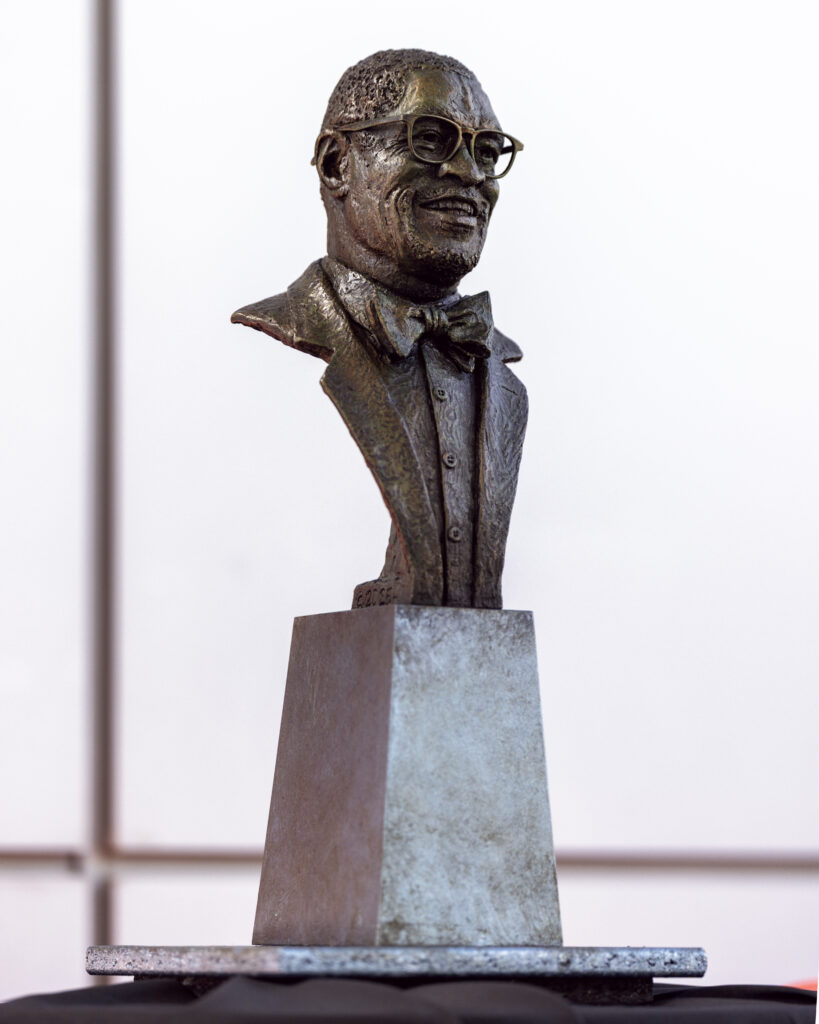
Sly defined his mayoral term by the “4E Agenda”:
- Education: Championing literacy through Turn the Page KC, with a fierce focus on the “golden years” of ages 0-5.
- Employment: Creating a viable community by building an educated workforce.
- Enforcement: Ensuring laws were enforced fairly and without racial bias.
- Efficiency: Moving government away from political expediency and toward decisions based on facts and data.
Mayor James transitioned from the “linear thinking” of traditional politics to a “systems thinking” approach that viewed the city as an interconnected whole. He recognized that government cannot operate exactly like a business because it is responsible for essential public services – like police, fire, healthcare, infrastructure, etc. – for 500,000 citizens. Instead of making decisions based on political expediency, he pushed for an efficiency of government rooted in facts and data.
Modern Leadership: Systems and Authenticity
Today, at Wickham James Strategies & Solutions, Sly still applies systems thinking to complex problems. He urges organizations to look at the “whole” – how different parts of a system grind or flow together – rather than seeking linear, “band-aid” solutions.
His advice for myself and the next generation of leaders is rooted in the same authenticity he brought to the mayor’s office: “If you want to lead, know as much as you can about the people you’re going to be leading. Understand their needs and how you can help fulfill their needs.” Sly believes in knowing the people you lead and understanding how to fulfill their needs before your own.


The Final Note
When I asked Sly to reflect on his life’s journey, much like when he jumped over his back fence to go to his audition – he didn’t look back. “I don’t believe in looking back because when you’re looking back, you bump into stuff in front of you,” he quips. Instead, he focuses on “right now,” moving forward with the same intricate, melodic, and unpredictable energy of his future keynote walk-on song, “Aja.”
For Sly James, the rhythm of leadership is simple: stay true to who you are, work collaboratively, and always treat the foundational years – of a child’s life or a city’s new project – as the most important ones.
BONUS GIFT
slyTunes – The Rhythm of Leadership: A Sly James Playlist
Little Wing by Jimi Hendrix
(Sittin’ On) The Dock of the Bay by Otis Redding
Pretzel Logic by Steely Dan
Kansas City by Mumford and Sons
Aja by Steely Dan