By Claire Bauer
Summer Series: Investing in Emerging talent | Creating Pathways for the Next Class of Workers
A Conversation with Kelsey Thompson
As organizations navigate changing workforce expectations, one question continues to emerge: How do leaders identify and develop talent before it comes with years of experience?
This summer, our intern team is leading a series that explores how mentorship, opportunity, and trust shape career growth. Written from the perspectives of emerging professionals, the series features conversations with team members whose careers were influenced by those experiences and examines why investing in talent early continues to matter. This is Part 3 in a 3 part series.
Early career exposure can be difficult for today’s young professionals to obtain.
Entry-level positions come with increasing experience requirements, while changing technology and artificial intelligence (AI) continue to reshape how employers evaluate candidates and even who they need to hire. That makes early-career experiences, and the relationships that usually come with them, even more meaningful.
As a current intern, I, of course, would advocate for internships being meaningful. My first few career-relevant experiences have taught me more than I ever could’ve imagined. My intern position offers me the ability to try some of everything and actually learn about myself, while also learning the important skills needed for different roles and tasks. In turn, I often am able to give back by sharing my unique perspective, the latest content being taught to students, and even tips and tricks from other experiences I’ve had.
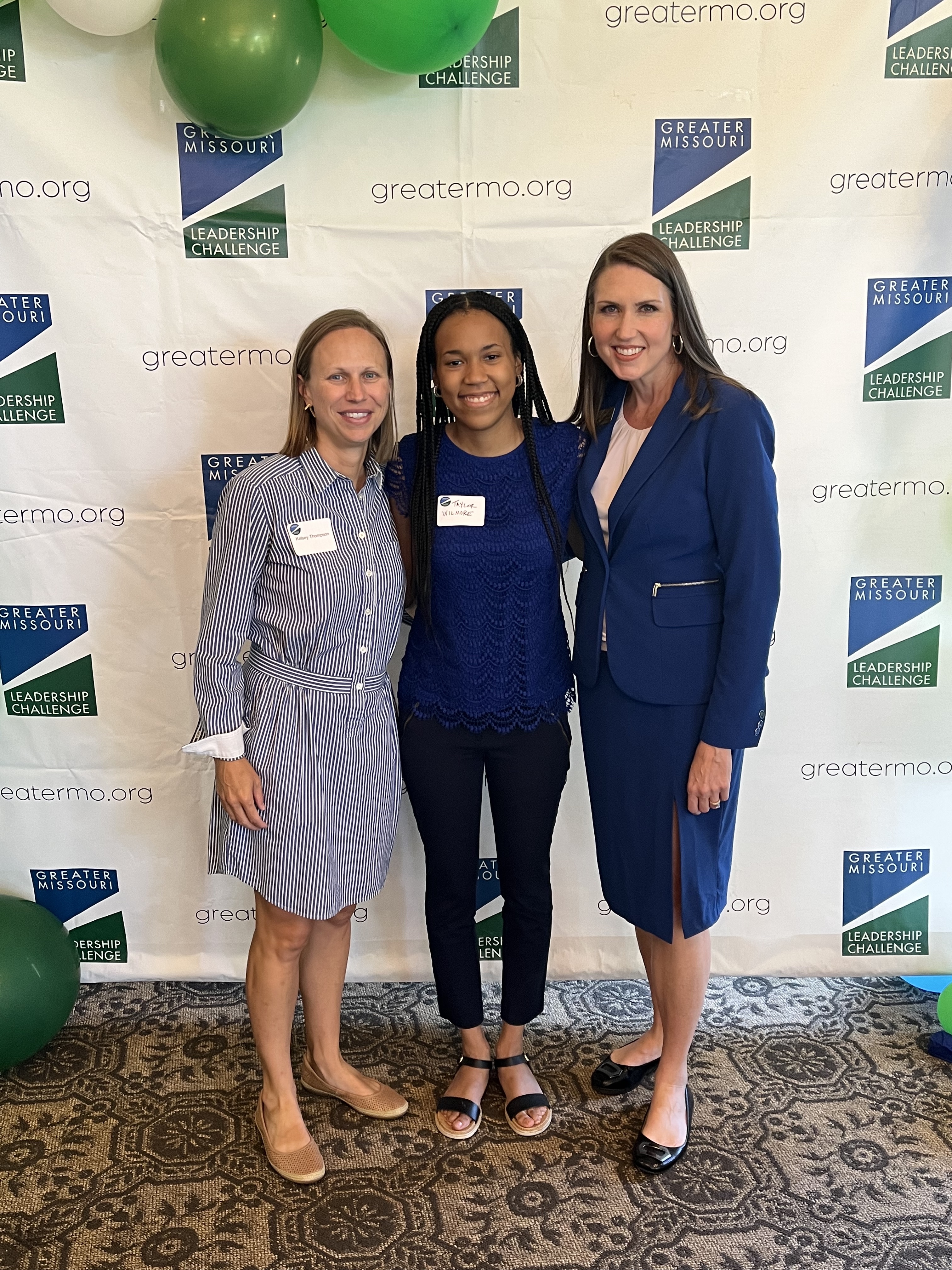
However, it’s not just me: Mazur & Co.’s Senior Associate Kelsey Thompson knows this firsthand. Her own professional experience was shaped by a wide range of opportunities, beginning with local 4-H and FFA projects and continuing through her first job at a law office in New London, Missouri. Her internships and professional experiences during college and graduate-school further carved a career path and developed relationships that last to today.
“I was fortunate early on to have some incredible experiences that taught me many lessons that I carry into my work today,” Kelsey said.
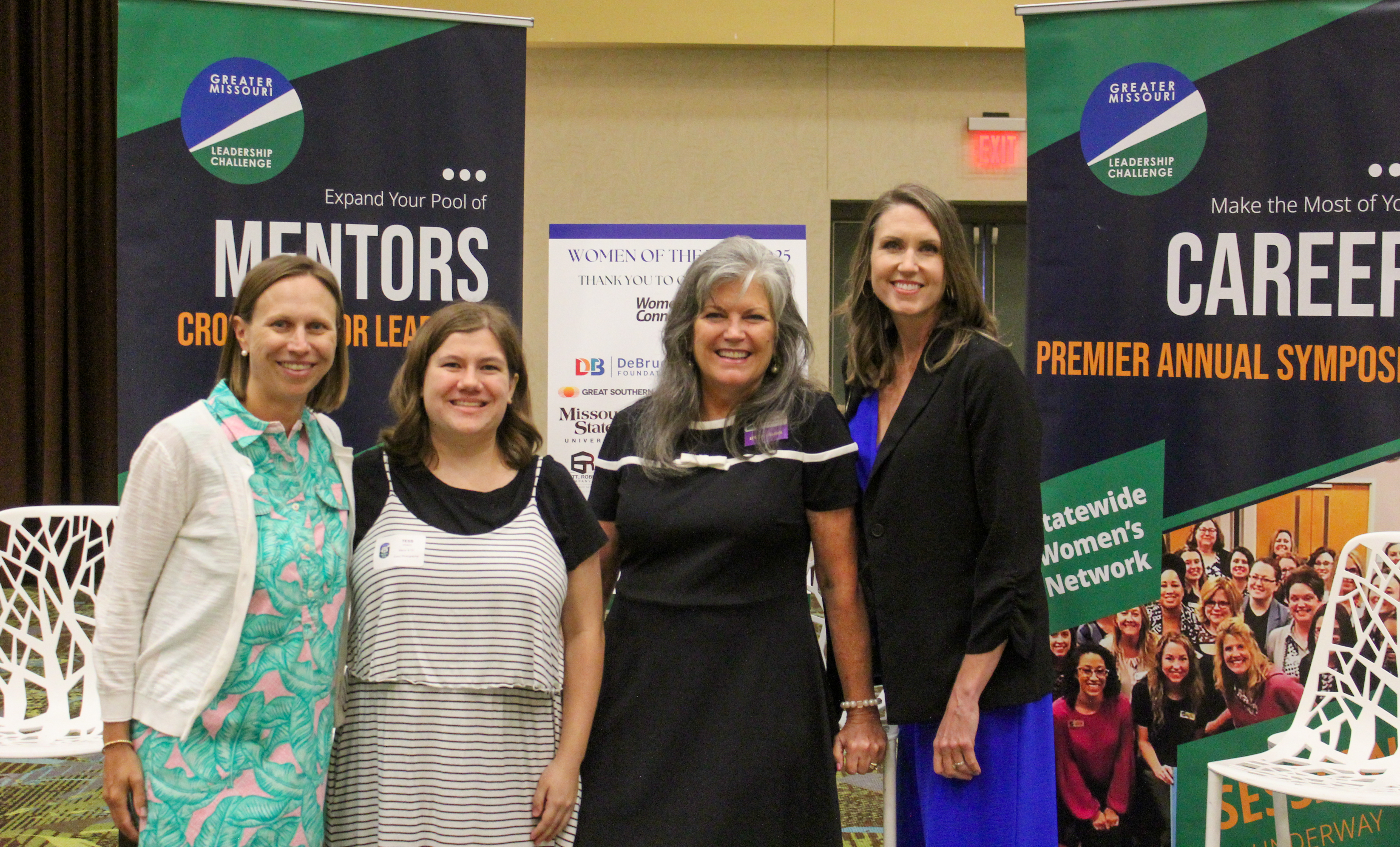
During college and graduate school, she continued to explore different professional settings through internships with the Association of Missouri Electric Cooperatives, the office of Congressman Ike Skelton, and the Missouri Secretary of State’s office. She also worked as a graduate assistant with an advisor and mentor who is still part of her life today. One of those internships introduced her to Mindy Mazur!
“At the Secretary of State’s office, I met a mentor (and friend) Mindy Mazur. I was Mindy’s intern!” Kelsey said. “I believe the experiences I gained during my internships were invaluable. Working with many different people, in a variety of professional settings, helped me learn and allowed me to ask questions early in my career. I’m not sure where my career would be without these experiences.”
Take the Opportunity: Importance of Building Professional Experience
Building experience does not necessarily mean finding the perfect first job. It can mean saying yes to opportunities that provide exposure to professional environments, expand professional networks, and create opportunities to learn and build relationships. So what can young professionals do when the job market feels difficult to break into?
Kelsey recommends starting early and saying yes to professional experiences whenever possible.
“Seek any professional experience you can in your undergraduate and graduate years,” she said.
That experience can help students build valuable skills, while also introducing them to people who may become important mentors throughout their careers.
“The relationships you build combined with different experiences will help you navigate a changing job market. Take every opportunity to meet professionals in the industry where you want to work,” Kelsey said. “Having a professional in an industry be a validator for you may be the difference in getting an interview in the era of application pre-screening and AI tools combing resumes and applications.”
Kelsey’s advice is also to keep putting yourself in situations where you can learn and meet new people. That might mean taking on a project you have never done before, reaching out to someone whose work interests you, attending an event, or pursuing an internship even if you are still figuring out exactly where you want your career to go.
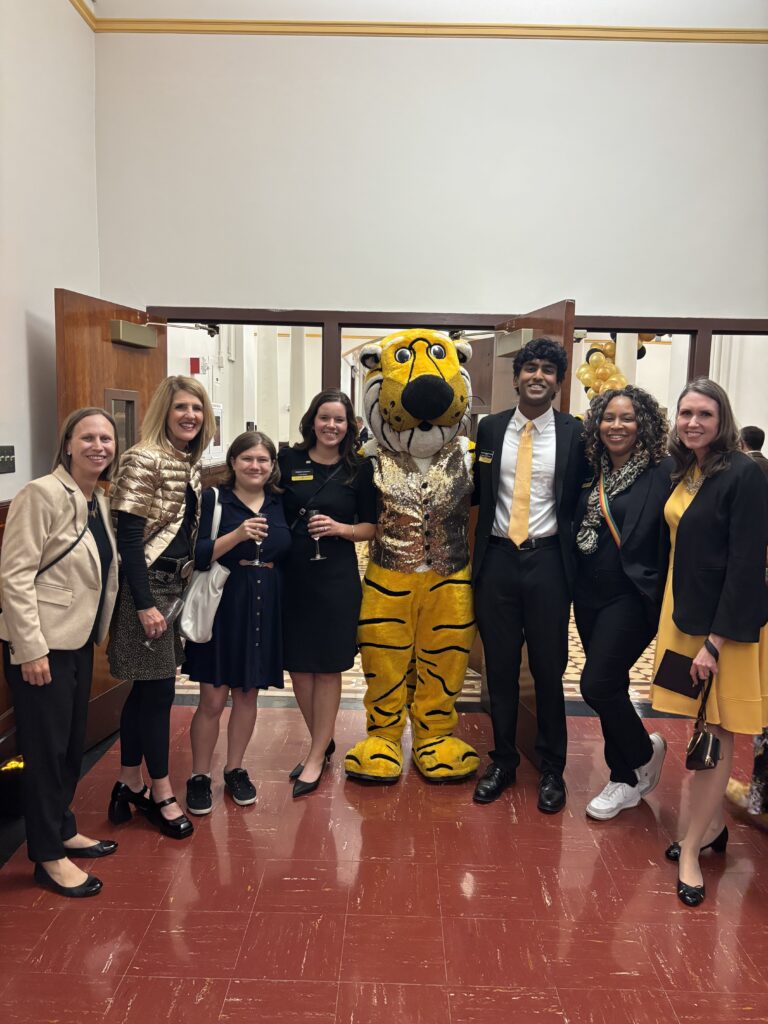
Investing in What’s Next: Internships as Pathways for Developing Emerging Talent
Kelsey and I both (and many others) can point to a larger idea: we can’t do this alone. Everything will continue to change, from the technologies used to the career options that exist. But what can we do?
“Employers can continue to invest in real-world experiences and opportunities for emerging professionals,” Kelsey said. “This will benefit the organization and the overall workforce. It is important to invest in emerging talent because they are the future of the workforce; the transfer of knowledge and training of new individuals is key to organizational success.”
This is becoming especially relevant as new technologies enter the workplace. Organizations are figuring out how to use AI and other emerging tools while also helping employees understand what those tools mean for their specific industries. Kelsey also believes it is worth taking a closer look at what a candidate brings with them, even if their résumé does not check every box.
“I think employers can be more open to diverse experiences that a candidate brings to the table,” she said. “Are they curious? Are they open to learning? Do they show initiative? If a candidate displays these characteristics, many skills can be learned when an opportunity is open, and finding the right person for the job many times can save you the time of trying the same thing over and over again.”
So, for organizations thinking about the future, this means taking a deeper look at applicants and creating opportunities for young professionals to learn before they are expected to know everything. Remember that professional development is often built through experiences and relationships that begin long before someone reaches their position. And for the rising workforce, this means staying people-oriented, adaptable, and willing to learn.