By Ella Childress
Summer Series: Investing in Emerging Talent | Developing People in the Age of AI
A Conversation with Chanelle Zak
As organizations navigate changing workforce expectations, one question continues to emerge: How do leaders identify and develop talent before it comes with years of experience?
This summer, our intern team is leading a series that explores how mentorship, opportunity, and trust shape career growth. Written from the perspectives of emerging professionals, the series features conversations with team members whose careers were influenced by those experiences and examines why investing in talent early continues to matter. This is Part 2 in a 3 part series.
Artificial intelligence is reshaping the workplace, including how organizations think about internships and entry-level roles. As technology continues to evolve, so does the responsibility of preparing the next generation of professionals.
I recently sat down with Strategic Communications Consultant Chanelle Zak to talk about what meaningful intern development looks like today. Our conversation explored everything from building confidence and taking ownership to networking and using AI responsibly, but one message stood out above the rest: developing people is a choice—and one worth making.
Whether you’re an employer investing in emerging talent or an intern preparing for your future career, Chanelle’s insights offer a timely reminder that while technology will continue to change the way we work, intentional mentorship and a commitment to learning remain irreplaceable.
Q: What does effective intern development look like in today’s workplace?
Chanelle: Effective intern development is multifaceted, but at its core, it’s giving interns the opportunity to contribute meaningfully to a team and its mission while learning and growing along their career journey.
I think the best internships involve real work—not projects that stay on someone’s desktop or exist just to keep an intern busy. Whenever possible, interns should have the chance to contribute to work that truly matters to the organization. That gives them ownership, helps them understand how their work fits into a larger mission, and builds confidence they’ll carry throughout their careers.
It’s also important to meet interns where they are. Every person comes in with different experiences and different levels of exposure to the professional world. Great mentorship helps each intern build skills, develop relationships, and discover where they can make an impact.
Honestly, my favorite moments are watching interns grow. It’s seeing them nail that first big project, step into leadership for the first time, or hearing from them a year later that they landed the job they were hoping for. Those are the moments that make investing in interns so rewarding.
Q: As interns gain experience, how do they move from simply completing tasks to becoming strategic contributors?
Chanelle: That’s one of my favorite transitions to watch.
Early in an internship, assignments are naturally more structured. Someone has already defined what needs to be done and how to do it. But as interns grow, I love seeing them begin to understand why the work matters—not just the task itself.
The turning point comes when interns stop seeing their work as a one-off assignment and start seeing themselves as part of the team. They realize that what they do today affects someone else’s work tomorrow.
That’s usually when initiative starts showing up. Instead of waiting for another assignment, they’ll say, “I know you’re busy. Would it help if I moved this project forward?” That’s an incredible teammate move because they’re thinking beyond themselves and contributing to the bigger picture.
Q: AI is changing so much about the workplace. How do you think it’s impacting internships and entry-level opportunities?
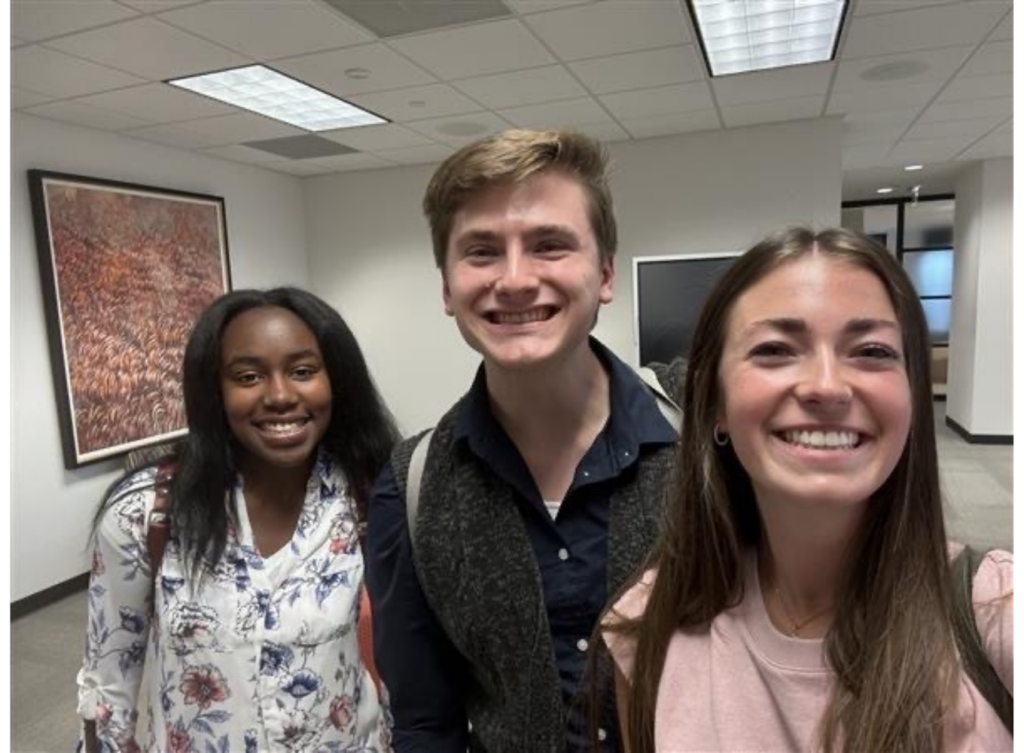
Chanelle: I think it’s already having an impact. We’re seeing fewer entry-level opportunities than we’ve seen in the past, and we know AI is replacing some of that work. That’s concerning because every one of us started somewhere. We were all interns, entry-level employees, or first-time job seekers at one point.
One thing I really appreciate about Mazur & Co. and my client, The DeBruce Foundation, is that they continue choosing to invest in people. In today’s workplace, that’s a conscious decision. They could automate some of this work, but they believe developing the next generation of professionals is part of their responsibility.
That also creates a responsibility for interns. If an organization is choosing to invest in you, it’s important to take that opportunity seriously and make the most of it.
Q: How can interns use AI without sacrificing their own learning?
Chanelle: One of my favorite ideas actually came from one of our interns. They described using AI as an “AI sandwich.”
Start with a human. Think through the problem yourself first. Then use AI as a tool where it adds value. Finally, bring a human back into the process through your own editing, critical thinking, or conversations with teammates.
AI is incredibly helpful, but it shouldn’t replace the experiences that help you develop professionally. I often tell interns, “If someone else could use AI to do your job, then please don’t use AI to do your job.” You’re here to grow. Don’t outsource the very experiences that are helping you become a stronger professional.
Q: You’ve talked a lot about having a growth mindset. What advice would you give interns who are still building confidence?
Chanelle: Confidence usually comes after action—not before it.
One of the biggest pieces of advice I give interns is simple: be a sponge. Learn as much as you possibly can. Ask questions. If you hear a concept you don’t understand during a meeting, write it down and learn about it later. Welcome feedback because someone is taking the time to invest in your growth.
I also tell people it’s okay to be scared. Usually that means you’re trying something new and doing something that matters to you. That’s wonderful! Do it scared, and you’ll grow into the opportunity.
One idea I come back to often is that every person in the room has something to teach and something to learn. Interns bring fresh perspectives, new technology skills, and ideas that teams need. At the same time, they’re surrounded by people who may have tried these tactics, have hard-earned wisdom, and have seen how strategies can play out over the long term. Both are valuable.
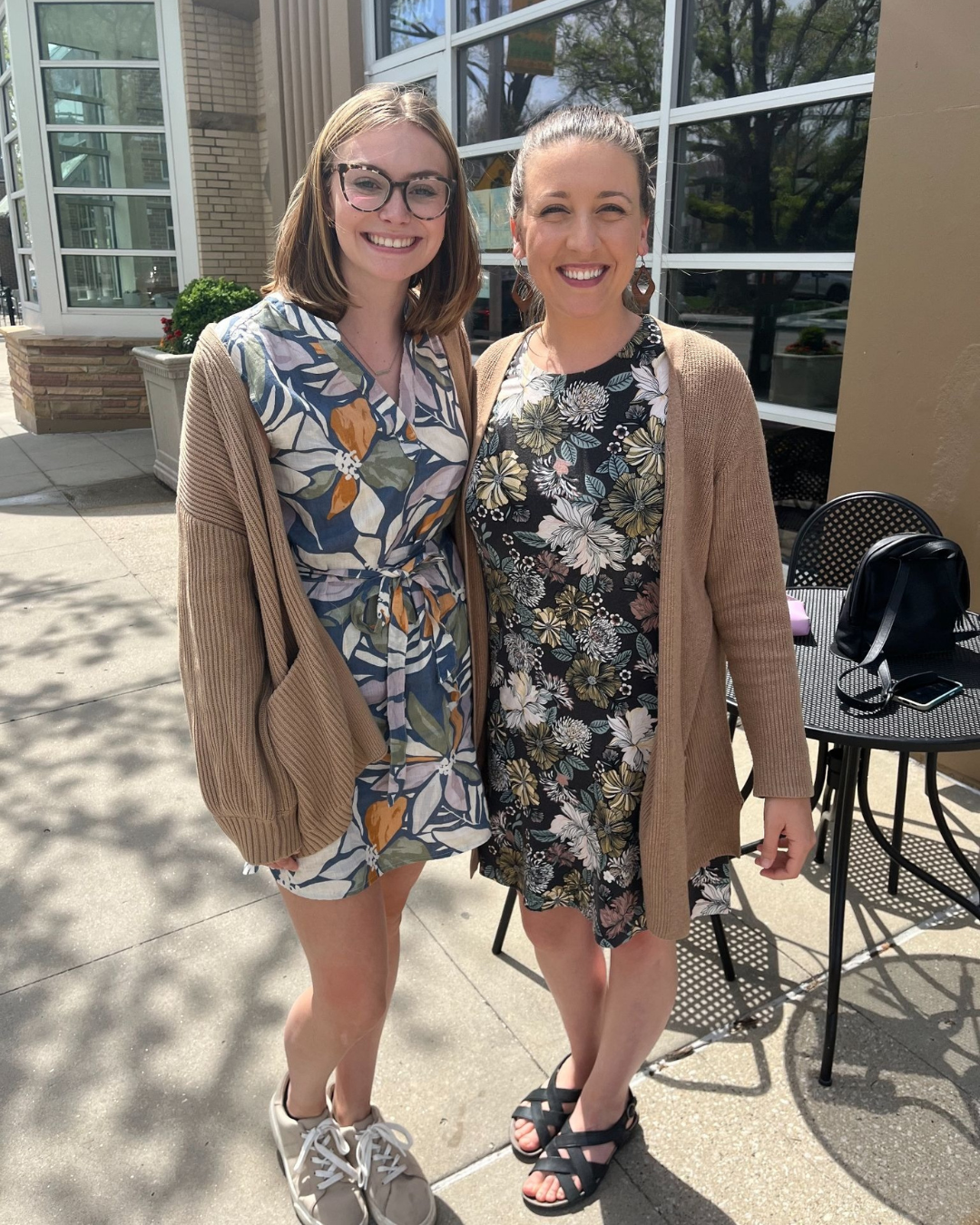
Q: Networking can feel intimidating early in your career. How did you learn to get comfortable with it?
Chanelle: I used to be terrified of networking.
Everything changed when I stopped thinking of it as a business transaction and started thinking of it as making new friends. Suddenly it wasn’t about trying to get something from someone—it was about meeting interesting people who cared about making a difference.
That mindset completely changed my experience. Some of those first conversations have turned into friendships, mentorships, and professional relationships that I still value today.
Technology makes it easier to stay connected, but it shouldn’t replace authentic relationships. I like using LinkedIn after I’ve already met someone in person. I’ll send a personalized message mentioning where we met and what we talked about. Years later, those messages become a really helpful record of relationships you’ve built over time.
Social media and AI should strengthen what was already created through a real human connection—not replace it.
Q: What’s one piece of advice you’d leave with every intern?
Chanelle: Stay curious.
Your internship isn’t just about completing assignments—it’s about learning what energizes you, what kind of work you enjoy, what type of organization fits you, and what skills you want to keep building.
Run intentionally toward the work you’re passionate about. Keep learning. Keep asking questions. Build relationships. If you do those things consistently, opportunities have a way of finding you.
Technology will continue changing, but curiosity, initiative, and a willingness to keep learning will always be valuable. Those qualities prepare you not just for your first job, but for a career that continues growing long after your internship ends.