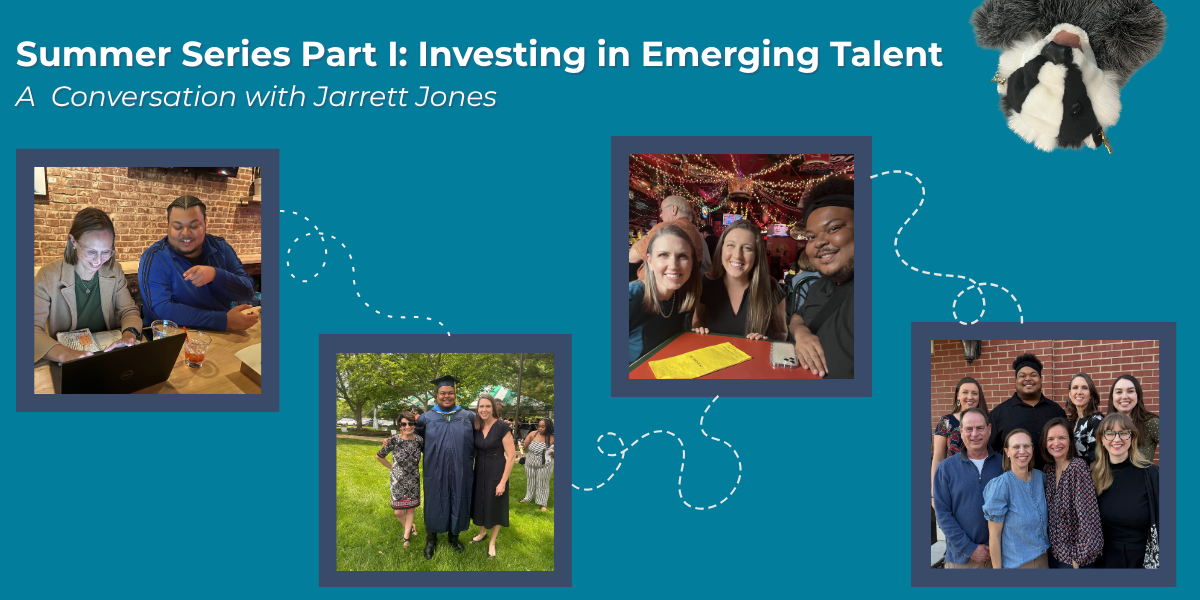
Summer Series: Investing in Emerging Talent | A Conversation with Jarrett Jones
As organizations navigate changing workforce expectations, one question continues to emerge: How do leaders identify and develop talent before it comes with years of experience?
This summer, our intern team is leading a series that explores how mentorship, opportunity, and trust shape career growth. Written from the perspectives of emerging professionals, the series features conversations with team members whose careers were influenced by those experiences and examines why investing in talent early continues to matter.
In the first installment, I speak with our Creative Strategist Jarrett Jones about his journey from Fellow to leadership at Mazur & Co. and the lessons it taught him about recognizing potential, developing talent, and investing in the next generation of professionals.
His path at Mazur & Co. didn’t begin as a Creative Strategist. In fact, Jarrett first pursued other opportunities within the firm, including a role he wasn’t selected for and an internship that ultimately wasn’t the right fit at the time. It wasn’t until the COVID-19 pandemic that he decided to go back to school to pursue an MA in Public Relations while working at the IRS. It was then that the Fellowship opportunity with Mazur & Co. came along. This Research Fellowship became the foundation for his early growth in the field. As a Fellow, Jarrett gained hands-on experience and eventually transitioned to a full-time Junior Associate position. As his experience grew, so did his responsibilities, expanding from client-facing strategic communications projects to quarterly reporting and newsletter development. After advancing his skills and completing his Master’s Degree in May of 2023, he became an Associate.
As Jarrett and the firm continued to evolve, his responsibilities expanded to include assisting in the hiring and onboarding processes while managing new interns. Additionally, he continued to refine his expertise in public relations and strategic communications. Now, as Creative Strategist, he plays a key role in refining the firm’s strategic communications services while developing the next generation of professionals.
This path ultimately helped shape his confidence and perspective. When reflecting on his early career, Jarrett points to his experience training new employees at the IRS as a pivotal moment. “This showed me that not only can I excel at my work, but I can also help others succeed as well, and that I can be trusted to do so.”

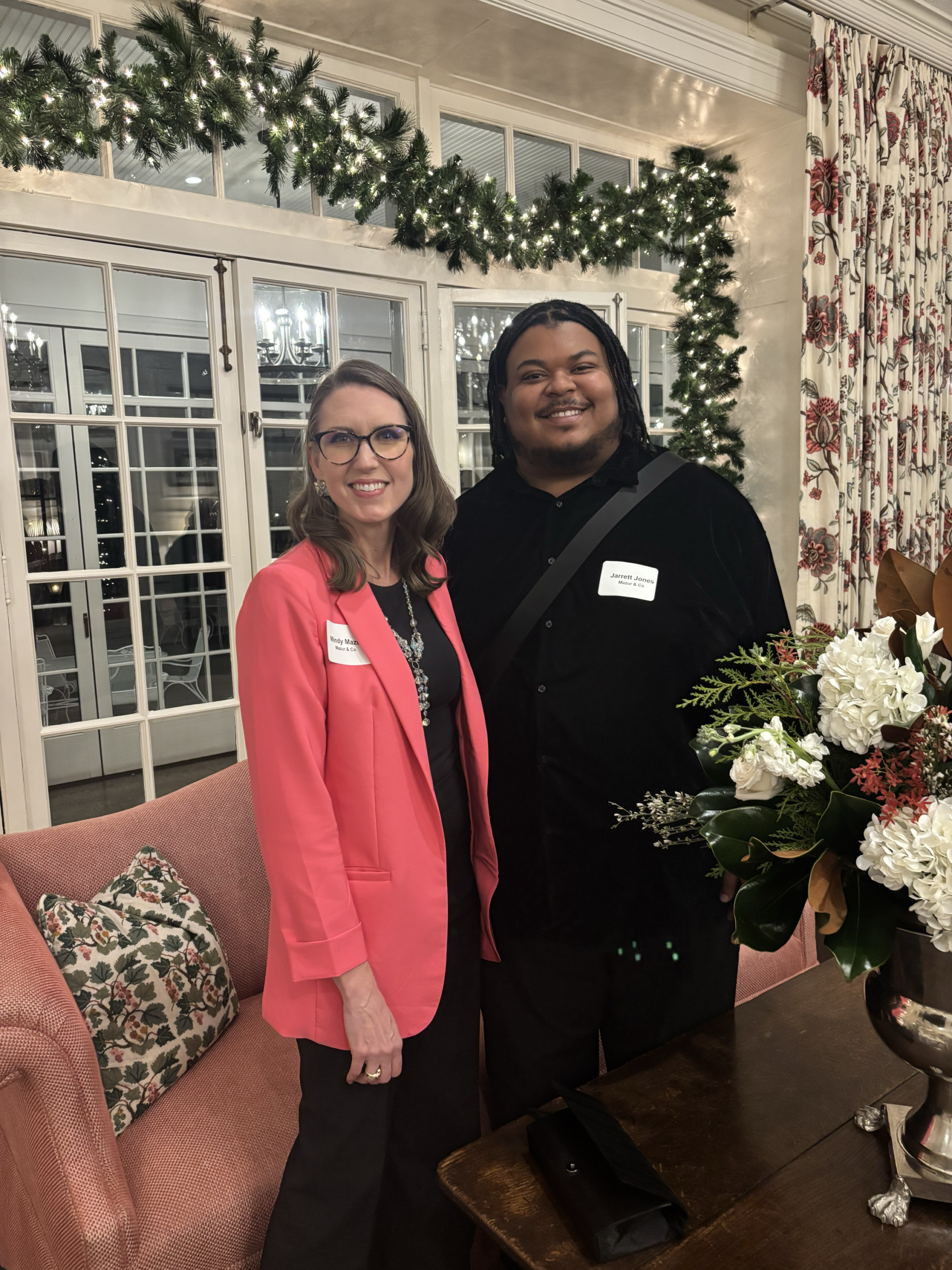
His journey highlights the importance of leaders who recognize potential beyond a resume. When asked if someone had seen something in him beyond what was on paper, Jarrett replied, “Absolutely. Mindy saw potential in me when we first met, which led to me eventually joining the team.”
That same mindset shapes how he works with young professionals like me today.
“I constantly think back to what helped me to grow in my career and try to instill those same fundamentals and foundational pillars into young professionals I get to work with,” he said.

Jarrett’s journey illustrates that leadership pipelines are built long before someone ever reaches a leadership title. Meaningful opportunities, mentorship, and trust foster a lasting impact not only on the individual, but also on the organization that chooses to invest in them.
Recognizing Potential
For students preparing to enter the workforce, it can feel more and more uncertain. Resumes and applications are increasingly filtered through automated systems, and experience requirements seem to grow. AI is reshaping hiring practices, leaving many young professionals wondering how they can stand out.
Jarrett believes there are limits to what technology can evaluate. “From experience, AI decision-making is face value,” he explains. “Whether the tool is filtering out who gets a first-round interview or helping decide who moves on to the next step of the process, it’s surely not picking up on nuances and immeasurable or covert qualities.”
His perspective highlights an important reality for emerging professionals: technology may change how work gets done, but strategic thinking, judgment, and the ability to understand nuance remain essential.
Learning Through Experience
The conversation becomes even more relevant in strategic communications, where success often depends on understanding subtlety, context, and people.
“Strategy is not standardized — it’s not copy and paste,” Jarrett said. “From emerging talent to emerging automation tools, there’s a revolving door of communications needs that need to be filled.”
It can be very hard to appreciate the nuance of the strategic communications workforce from a student’s perspective. Strategic communications often requires things students often don’t see in the classroom, like understanding complex stakeholder expectations and competing priorities. Technology can help organize information, but certain situations depend solely on human judgment.
Jarrett learned from his experience that understanding context always matters. “The closer you can get to a client, their goals, their mission, the better you can pick up on nuance and tailor a strategy to their needs.”
For young professionals, it is a powerful reminder that no matter how fast technology evolves, human judgment remains essential.
Investing in What’s Next
Jarrett’s story serves as evidence that investing in potential creates future leaders. This shaped how he thinks about developing future talent. Having benefited from early opportunities himself, Jarrett sees internships and entry-level roles as critical investments in the next generation of talent.
“The euphoria that you feel when an intern achieves something or exceeds your expectations does not compare to a tool quickly spinning up a deliverable for you,” Jarrett said.
Despite an increasingly competitive job market, Jarrett remains optimistic about the future workforce and the impact organizations can have by investing in emerging talent. He believes young professionals are rising to meet the demands of a changing workplace.
“The next generation, unfortunately, has to work much harder to break through the noise,” he said. “Because they are working hard to get through the door, they’re also going to work hard to stay there and grow.”
As organizations continue to adapt to changing technologies and workforce expectations, the need to invest in people remains constant. Jarrett’s journey demonstrates what can happen when organizations recognize potential before experience and provide opportunities for individuals to learn, grow, and lead. Those investments not only shape careers — they help build stronger organizations for the future.
This article is the first installment in our Summer Series: Investing in Emerging Talent, written by Mazur & Co.’s summer interns. Future conversations will explore how mentorship, opportunity, and trust continue to shape professional growth across industries.