
By Ryan Hobart
Beyond Forms and Checklists: What Being the “New Guy” Again Taught Me About Onboarding
It had been over nine years since I was the “new guy” in a workplace. When I started at Mazur & Co. in July, I had to meet a new team of co-workers and learn an entirely new set of internal systems quickly. Thankfully, everyone welcomed me without hesitation, and the positive outlook of the entire team made me feel at home immediately. Not all onboarding experiences are like that. In my almost 20-year career, I have been through all types of onboarding processes – ranging from days-long, comprehensive training to documentation, emails, and conversations that attempted to lay out a position’s overall duties. There is no one-size-fits-all approach to onboarding a new employee. What any successful process should do is set up a new hire to succeed and adopt an organization’s culture and workflow successfully.
What I quickly realized while going through a very thorough onboarding checklist is that organizations often overlook something: experience can shorten the learning curve for the work, but it doesn’t eliminate the learning curve that comes with understanding an organization’s culture, processes, and tools. Knowing how to write a press release or help connect a client to a stakeholder doesn’t matter if you don’t understand how an organization makes decisions, shares information, and accomplishes tasks. Good onboarding isn’t just an orientation checklist. It also must be a quick window into how to be a meaningful part of the team you are joining. In this piece, I want to walk through some of the most important aspects of onboarding and the process I just went through at Mazur & Co.
Learning the Organization, Not Just the Job, and Diving in Headfirst
Most companies have an org chart, but every workplace has a longstanding culture and “vibe” that takes time to learn. There are things like implied norms, historical context, and intuitive client expectations that never make it into an onboarding document.
One of the most effective aspects of my onboarding was how quickly it provided clarity for Mazur & Co.’s key services through immediate client interaction. I wasn’t stuck in training for a week before diving in, and that benefited my transition tremendously. Rather than viewing our capabilities in silos, immediate, hands-on experience helped me understand how our three primary service lines—Communicate, Operate, and Advocate—overlap in day-to-day work.
For instance, in my short time with Mazur & Co., I’ve helped clients institute communications strategy and content development, including making media announcements about major organizational achievements. I’ve also assisted in strengthening organizational processes and program management for clients to turn big ideas into actionable steps. I’ve even supported public affairs projects to get key community stakeholders engaged in important projects. All this work made me feel like a valued part of the team right away, and helped me move seamlessly from training to productivity.
Through that immediate work, I was able to very clearly see how strategic messaging (Communicate), organizational execution (Operate), and policy or stakeholder positioning (Advocate) all work together. It proved to me that those core areas aren’t just a tagline to put on a website or in emails. Touching real client work, alongside intentional orientation, within my first few weeks allowed me to see how these three disciplines intersect daily, giving me the ability to add value for clients right away.

Missouri Secretary of State’s office staff 2006 including Mazur & Co. team members Mindy Mazur, Rich Lamb, Stacie Temple, and Ryan Hobart. Shortly before or after this there was karaoke or a band formed for team building purposes!
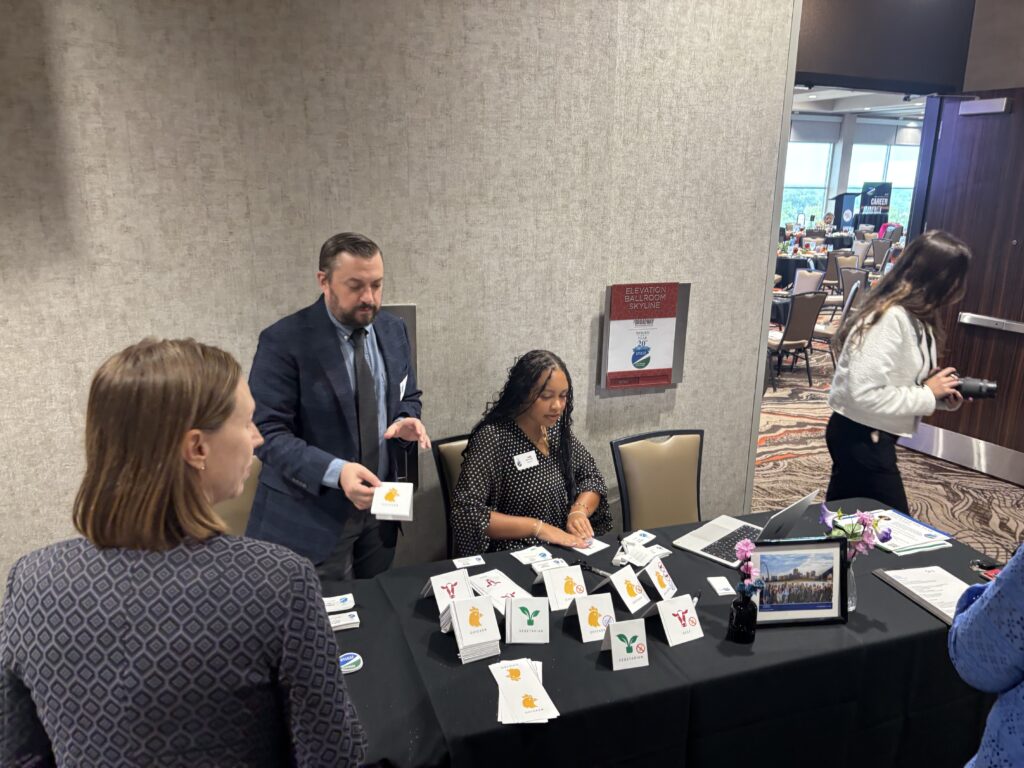
Jolie Merriweather and Ryan Hobart staffing the Women of Year luncheon July 2026. Working at Mazur & Co. includes event planning down to the smallest detail!
Adopting Culture in a Hybrid World
Culture isn’t easy to describe in an onboarding document. It has to be learned through experience. For me, observing how attention to detail is applied in practice, how forward-thinking ideas are encouraged, and seeing colleagues offer help with projects taught me the culture of Mazur & Co.
In a hybrid working environment, adopting a workplace culture requires deliberate effort. You can’t rely on hallway conversations or chats by a coffee maker to pick up organizational habits. There must be a deliberate and intentional effort to make connections and learn what the organization values.
One of my favorite parts of the Mazur & Co. onboarding process was meeting with everyone one-on-one within the first few weeks of starting. I got to know every one of the interns, employees, and partners of the firm personally. It was a lot of both catching up with old friends and former colleagues and forming new professional relationships. Everyone was extremely welcoming, and I could immediately see that the entire team genuinely valued one another. There weren’t egos that emphasized personal credit for a project or client success. All of them modeled that successful projects and satisfied clients lift up the entire team and not just one individual.
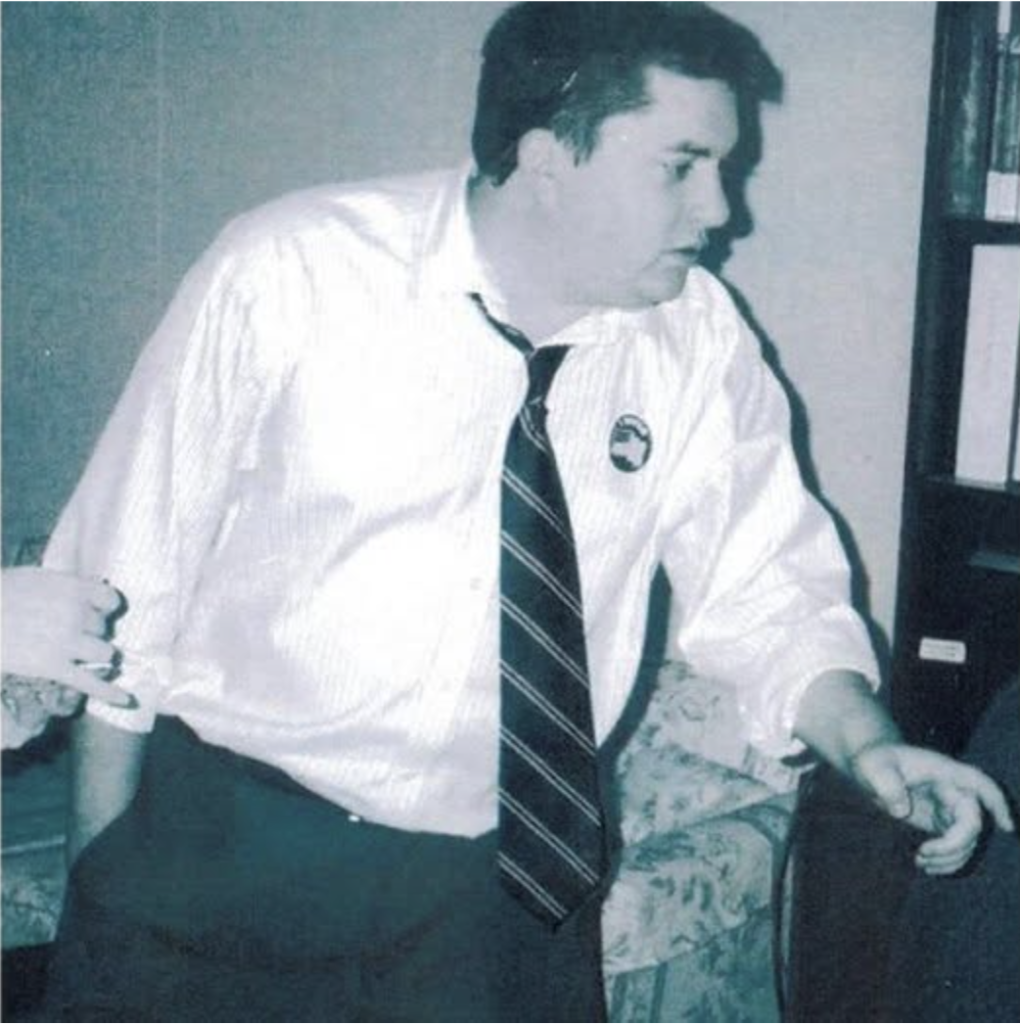
Ryan Hobart on a caffeine-fueled election night 2008 at the Missouri Secretary of State’s office. Election nights were long and included learning from senior staff about how to respond to different scenarios.
I also enjoyed immediately jumping into work with clients! In virtual and in-person meetings, they were all very supportive and welcoming. Some even offered praise and positive reinforcement within the first few weeks to let me know I was performing up to the standards they expected from Mazur & Co. Working in a fast-paced environment with multiple clients who appreciate my years of experience has given me renewed energy to further learn and grow in my career. I can’t wait to continue helping them accomplish their goals.
Forming strong relationships in a hybrid environment is important. That way, small questions that would take ten seconds to ask across a desk or through an office door can be replaced by intentional messages between colleagues who have strong working relationships. Maintaining those good one-on-one connections also helps employees know the internal experts on certain topics or systems. The initial relationship-building should grow into a culture where everyone pitches in to help each other and the firm succeed.
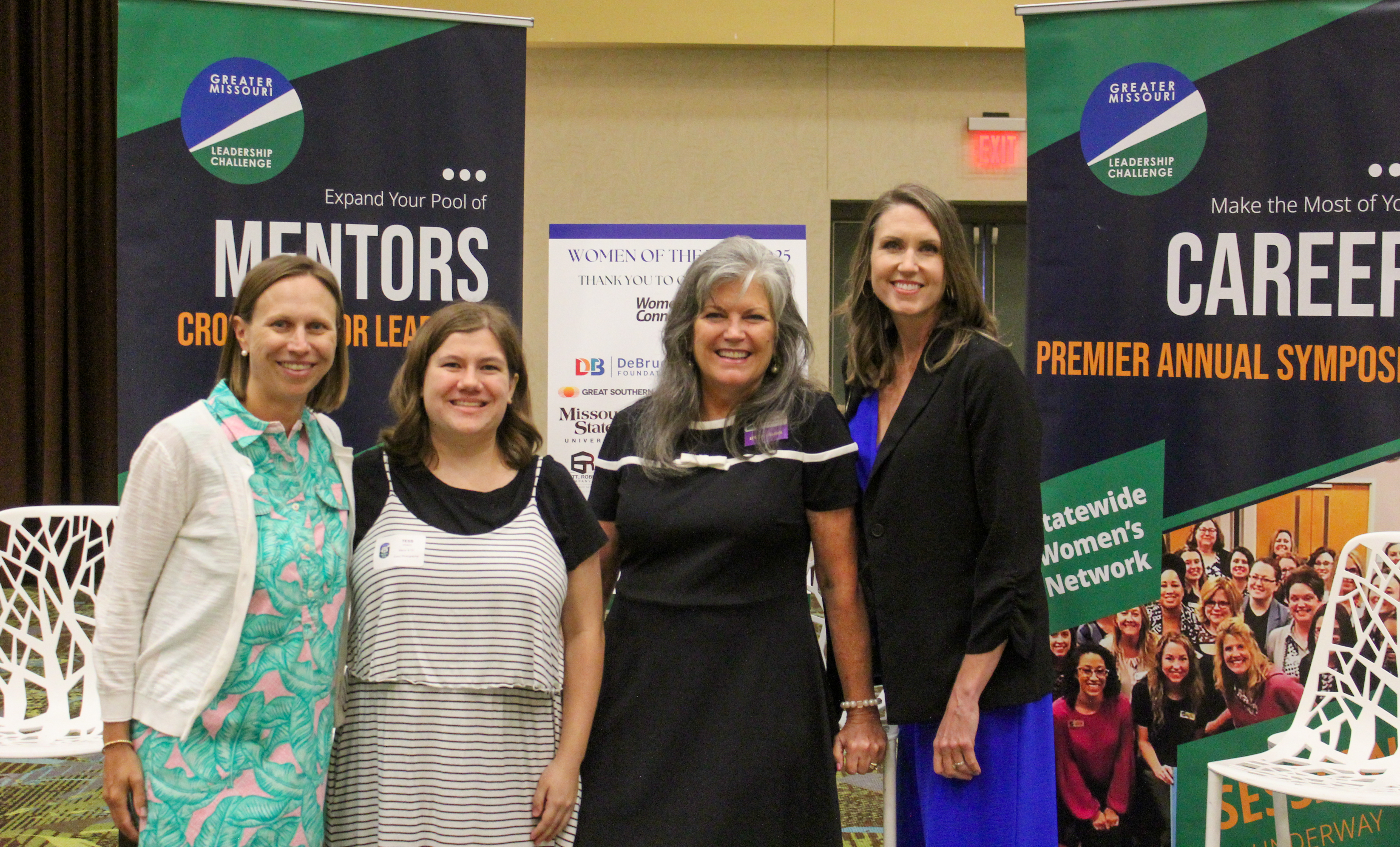
Honest Assessment: What We are Still Learning
Even strong onboarding processes have blind spots. If I were to offer one way to strengthen the experience for the next senior hire, it would be to accelerate the sharing of informal institutional memory on clients and projects.
While formal processes and service lines were clear, getting familiar with the firm’s institutional knowledge—knowing who holds specific past project experience, subject expertise, or comprehensive client history—took more intentional conversations. Standardizing a simple internal “expertise directory” and informal project retrospectives during the first weeks for a new hire would make getting up to speed easier. One thing that helped me considerably is the regular internal meetings Mazur & Co. dedicates to each client to go over work and the institutional context of what each client needs. Mazur & Co. is planning to add an internal huddle specifically dedicated to getting a new hire up to speed on a client and their projects to make onboarding a little bit easier for new team members.
The onboarding experience also reinforced something we often emphasize to clients: good processes create organizational strength. A strong onboarding process protects against information living with only one person, makes expectations clearer and helps talented people become productive faster.
Overall, my experience onboarding with Mazur & Co. was comprehensive and enjoyable. I immediately felt welcome and saw that everyone was willing to help me navigate my transition into the firm. It was a good combination of training on internal systems and immediate hands-on work to help me hit the ground running. Getting positive feedback from both colleagues and clients reinforced that they valued my work.
Like any good process, onboarding should keep evolving. By continuing to assess what’s working and where we can improve, Mazur & Co. can keep strengthening the experience for future team members and help them move into meaningful work more quickly.
Looking back on my onboarding experience, a few lessons stand out that may be useful for other organizations:
- Cultural Context Aids Onboarding Checklists: Standard onboarding checklists teach internal tools and processes, but they have to be supplemented by learning an organization’s ingrained culture, decision-making dynamics, and team dynamic.
- Hands-On Work Over Prolonged Observation: Jumping into real client work early accelerates integration more than prolonged training, allowing new hires to see how core service lines interact and add value from day one.
- Intentional Effort Sustains Culture: In a hybrid environment, building strong professional relationships requires deliberate effort—such as dedicated one-on-one meetings—to create intentional connections and build trust across the team.
Just remember, great onboarding isn’t just about completing a checklist or filling out forms. It’s about creating connections with new co-workers, sharing institutional knowledge and context, and quickly building trust that empowers people to thrive.
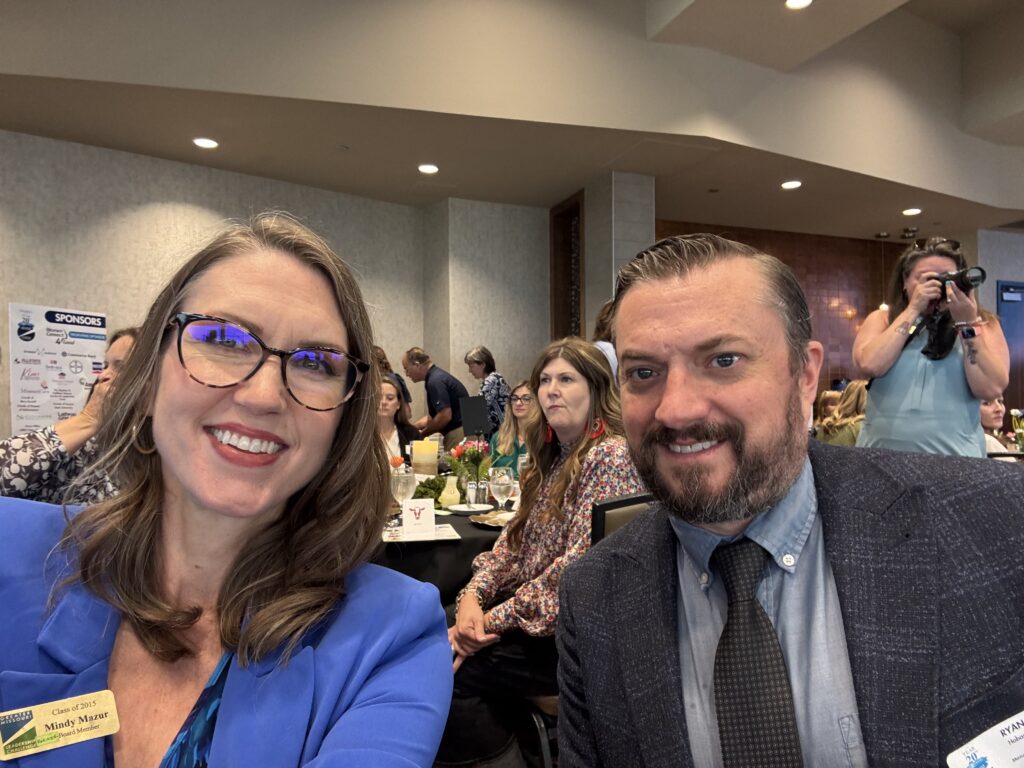
Mindy Mazur and Ryan Hobart attending the Women of the Year luncheon July 2026. I jumped right in to staff an event my first week at Mazur & Co.